

The Art of Timelessness
When I meet artist Mary Ann Liu in her Strathcona studio, she gestures to the organized chaos of brushes, canvases, and sculptures around her. “The thing about being an artist is it’s not so much about talent,” she says. “Talent gives you a little bit of a leg up, but it’s tenacity and a willingness to learn and to just keep going.”
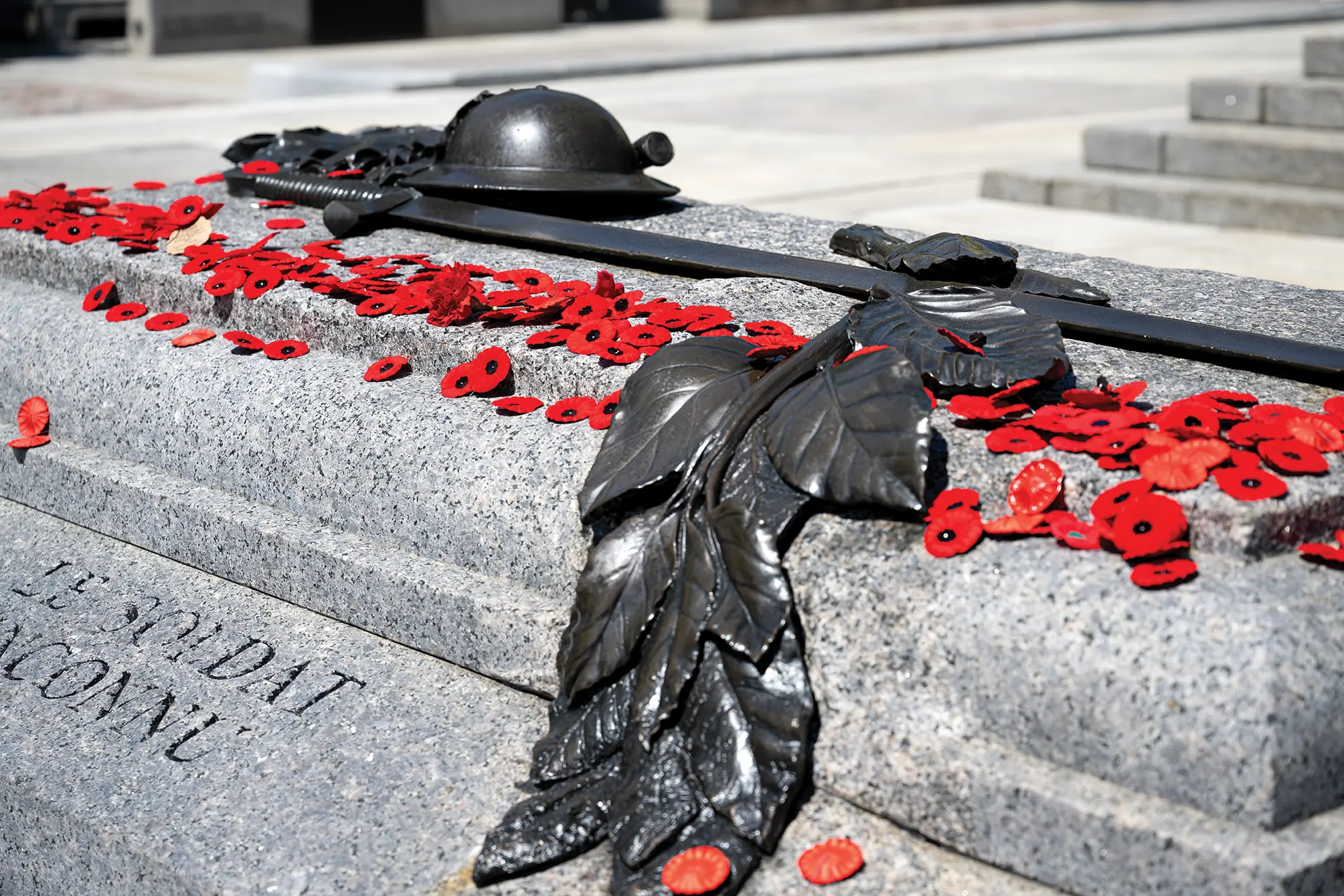
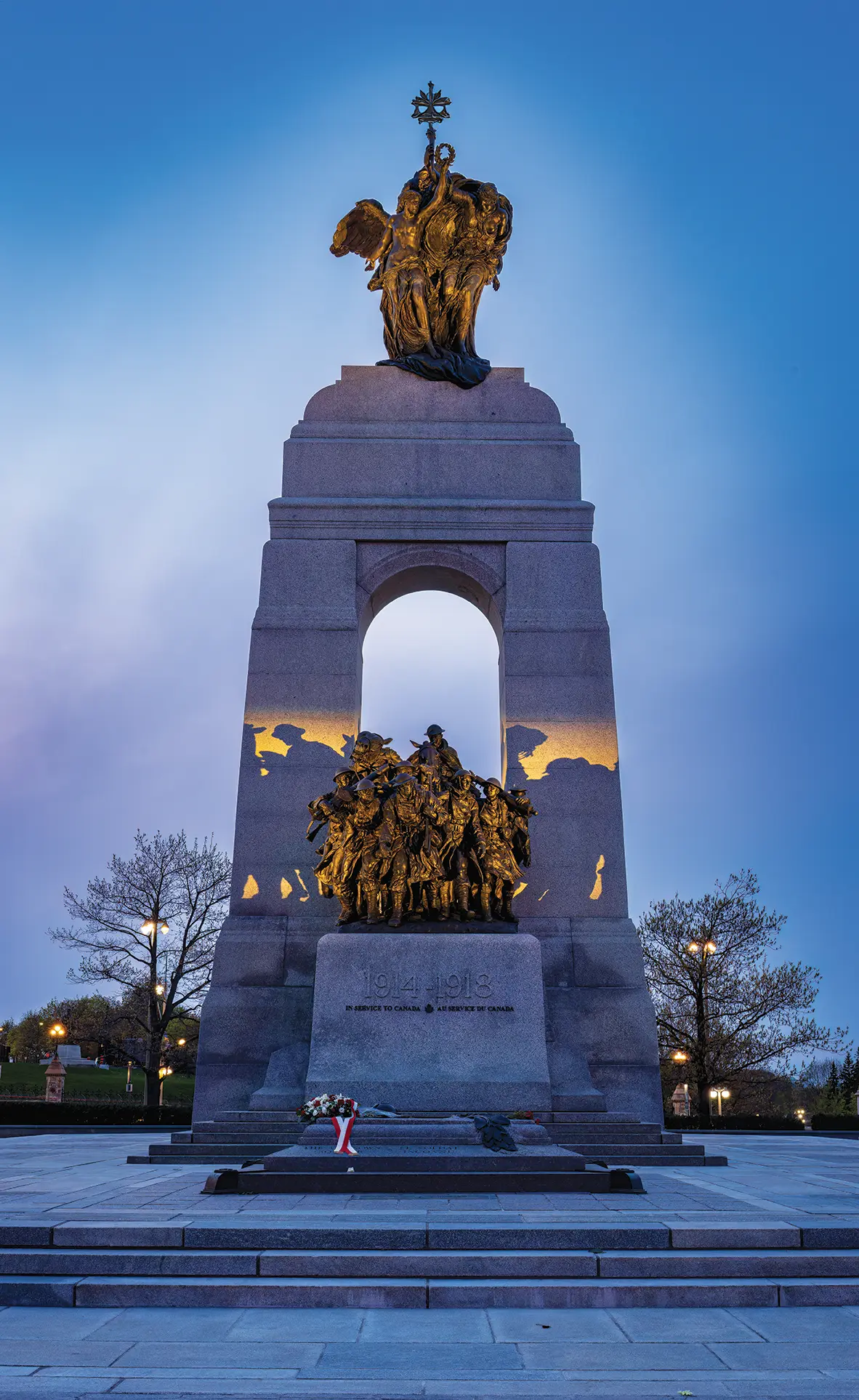
Liu is best known for her bronze relief sculpture on the Tomb of the Unknown Soldier in Ottawa. The granite tomb features her depiction of a WWI helmet, sword, and maple and laurel branches symbolizing victory and death. As the monument marks its 25th anniversary, Liu reflects on its creation and her path as an artist.
In the late 1990s, after graduating from Emily Carr University, she was working in a bronze foundry when the national competition was announced. “I made the decision to be a sculptor when I was 14. I’ve never been a person to hesitate and ask, ‘Should I do this or not?’” she says. Told she was too small to work with bronze, she replied, “Eat my dust. Watch me.” Her winning design includes bronze corner pieces representing the Memorial Cross and a poppy for those who may fall in future wars. “The main idea of the tomb is about passage: the passage of life and death, the passage of time.”
This year, the Royal Canadian Mint collaborated with Liu on a gold coin featuring a close-up of the helmet and maple leaves from her sculpture. “The tomb’s emotional impact is best conveyed by a close-up view, while the poppy outline pays homage to our veterans.”
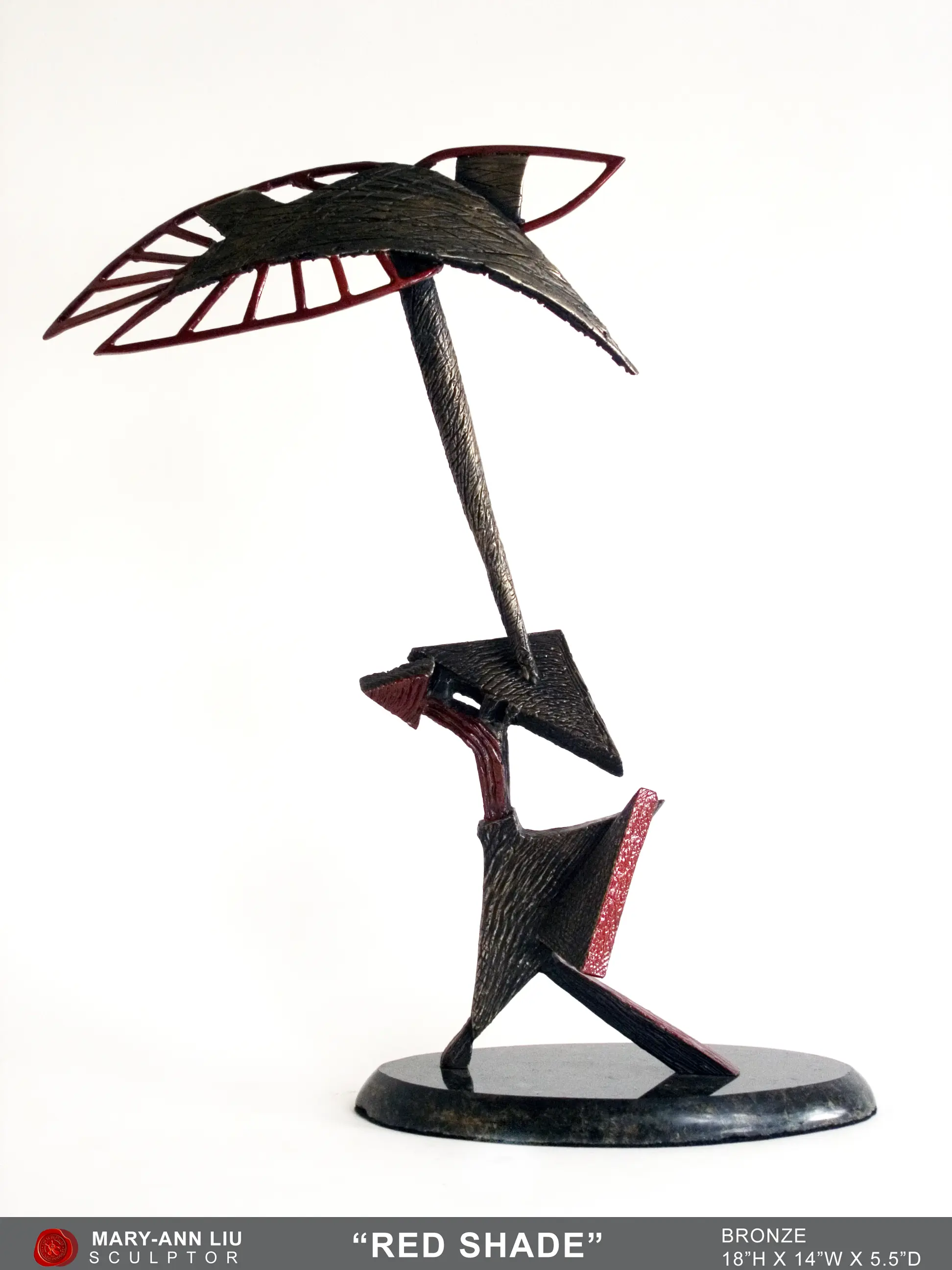
Over the past 25 years, Liu has led major public art projects, including dragon lanterns in Vancouver and Chicago’s Chinatowns, and private commissions such as The Crossing, a bronze sculpture representing reflection and renewal. “You see one angle and then, on the other side, is what you would actually see underwater,” she says.
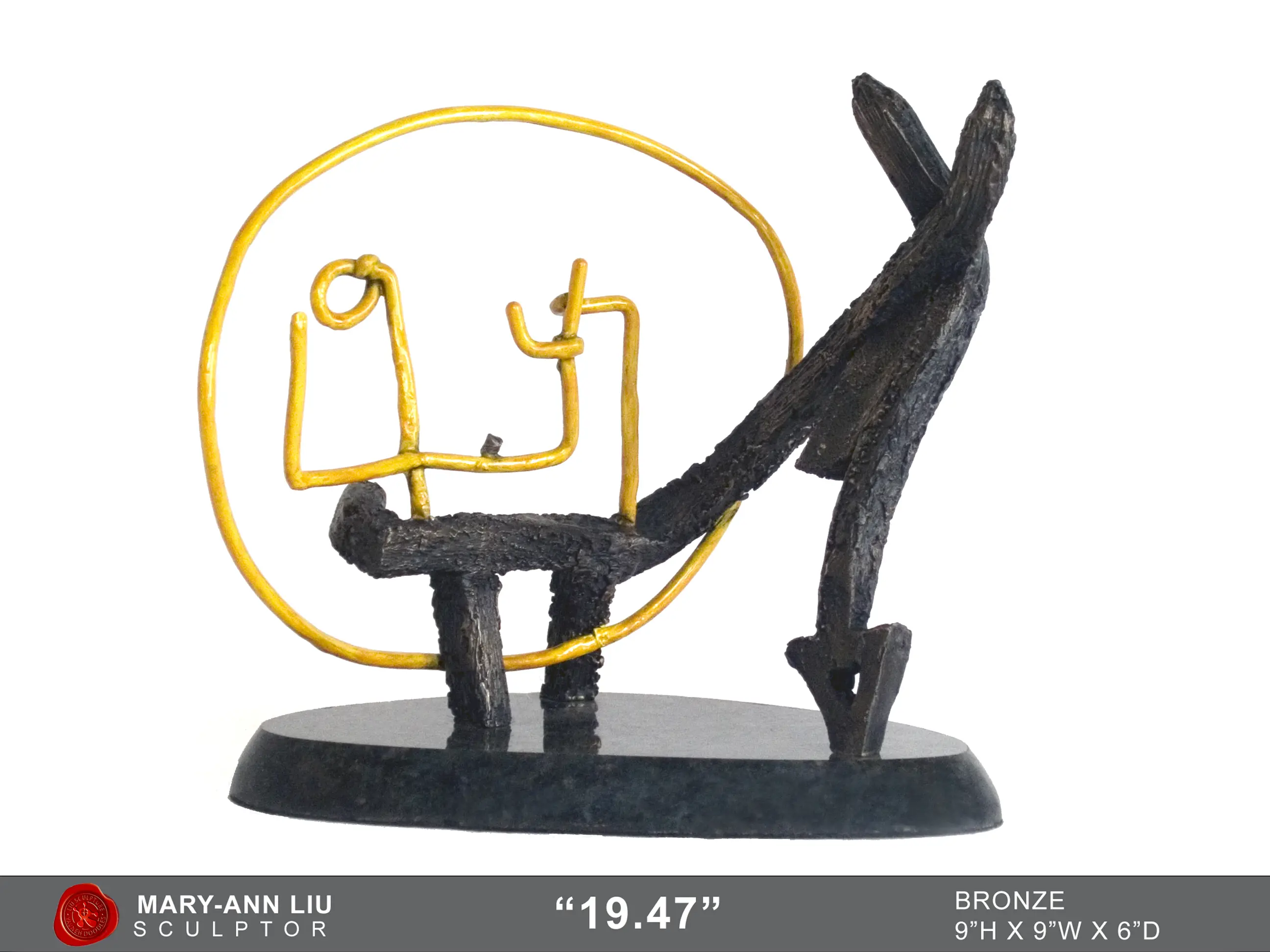
Though she works in many materials, Liu always returns to sculpture. “Diversity is the key to survival as an artist. You never want to stay still.” When asked why sculpture continues to define her, she answers instantly: “Sculpture is innate to my being. Some people see in 3D and some people in 2D. I see in 3D. I didn’t choose it; it chose me.”
This story has been edited and condensed for clarity. Read the original version in the Fall/Winter 2025 edition of driver magazine.
Pick up your copy from an OpenRoad location in BC, or subscribe to receive our next issue.